



At Snee Farm, the history extends well beyond a Constitution signer
Charles Pinckney National Historic Site interprets political history alongside the lives of the people enslaved on the plantation.

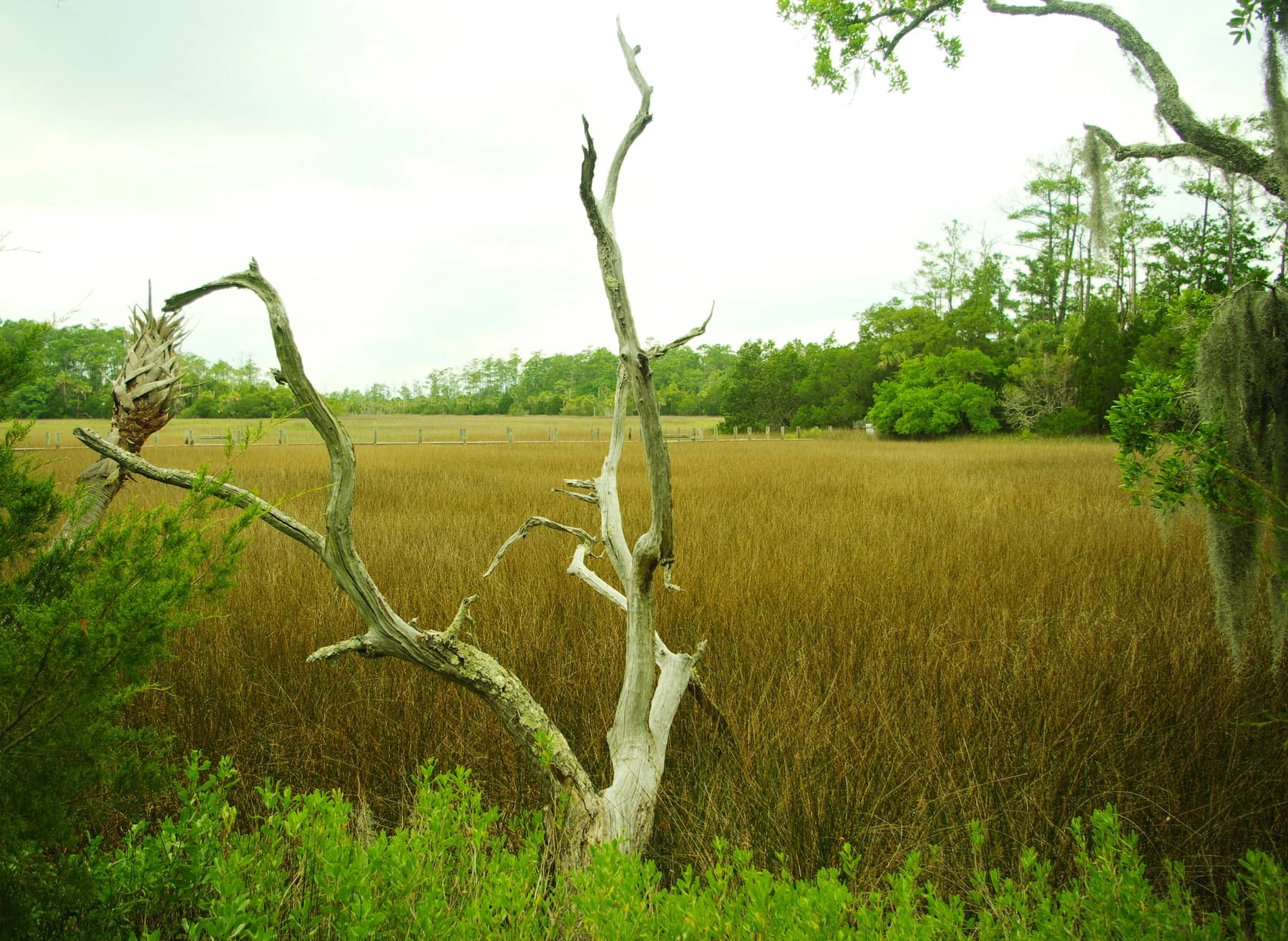
Image: Archival photograph of the circa-1828 Snee Farm cottage taken April 13, 2012. This surviving visitor-center building replaced Charles Pinckney’s earlier house; it is not his original home.
A historic site named for a political leader can hold more than his biography. Charles Pinckney National Historic Site preserves part of Snee Farm in Mount Pleasant, where the National Park Service interprets Pinckney’s public life alongside plantation operations and the people he enslaved.
The site’s surviving Lowcountry cottage dates to around 1828 and replaced the earlier house; it should not be mistaken for Pinckney’s original residence. The NPS also identifies archaeological remains of an enslaved village along the trail system, evidence of lives that cannot be understood from a view of the main building alone.
Sponsored
Read the interpretation with attention to how historians know what they describe. A map, an excavated object and a surviving structure each reveal something different. The NPS account of the enslaved village explains that archaeological evidence complicates the orderly arrangement shown on historical maps, a useful reminder that one kind of record never tells the whole story.
Check current visitor-center and grounds access separately before leaving; the park says operations change seasonally. Keep to established routes and leave archaeological material undisturbed. A thoughtful visit can connect questions about the nation’s founding with the labor, constraints and daily lives of people whose experiences were part of the same place.
Sources and visit details
- National Park Service: Charles Pinckney National Historic Site’s interpretation
- National Park Service: enslaved village at Snee Farm
- National Park Service: circa-1828 replacement cottage
- National Park Service: current operating guidance
Photo: Don O'Brien / Wikimedia Commons. CC BY 2.0. Resized and converted to WebP; the site wordmark may be added in display.




Discuss this news
Your draft stays here while you sign in. Be respectful and keep it local.
No comments yet.